
Pioneering into the new Year with the UK’s first commercial electric articulated HGVs
At IFS we have a passion to share and promote innovative solutions that genuinely address the green issue and actively push for change. If our industry is serious about making the transition to zero emissions, then during 2022 we need to continue to build on last year’s optimism in driving change for a greener future.
 It is refreshing to hear about pioneering new projects in logistics and international freight forwarding. One such project is the partnership between Tesco and FSEW, whose aim is to revolutionise the commercial freight industry’s approach to low carbon transition.
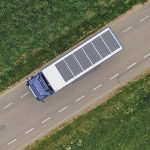
From January, two new 37 tonne DAF electric vehicles will transport food and other products from Wentloog rail terminal outside Cardiff to Tesco’s distribution centre in Magor, Wales, in partnership with logistics and international freight forwarding company FSEW.
Heavy goods vehicles make up around 16 percent of the UK’s domestic transport emissions and addressing this can play a significant role in delivering the UK’s net zero ambitions. Despite significant advances in battery technology and charging infrastructure for smaller vehicles, there hasn’t been a commercially viable solution for electric haulage and distribution until now.
Geoff Tomlinson, FSEW Managing Director said:
“This is a landmark day for us here at FSEW, representing a major step forward in our commitment to providing zero emissions transport freight services. Together we are working to create a cleaner and greener logistics experience. This is transformational for the UK’s commercial and retail industries and is just the start of our work to supply electric heavy freight vehicles to customers such as Tesco.”
Read more from Geoff’s encouraging article >








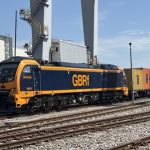

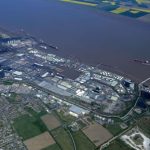



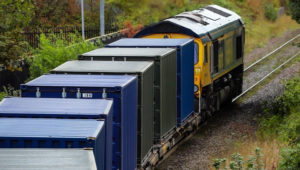 As the country continues to struggle with supply chain issues, GB Railfreight (GBRf) has announced that it has successfully operated a series of intermodal services from the Port of Tyne to strategic rail hubs in Yorkshire and the Midlands.
 IFS’s latest recruit joins us through the
 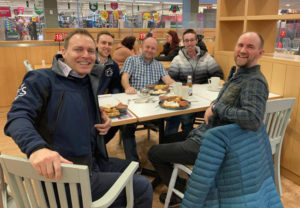 To celebrate Jamie completing his first month’s training with IFS, the team took him out for Friday breakfast which went down a real treat.
 Shippers across the globe might have to battle the effects of supply chain congestion and record high ocean freight rates for some time to come. The question remains – when will they get relief?
 All aboard, as long as you are properly labeled and someone is waiting to pick you up at your destination station. The latest light logistics ideas propose that the sharp decline in commuter passenger traffic is the opportunity the parcels industry has been waiting for.