Team IFS Sheffield take some well-earned time out in Finland
At IFS, the team of staff spend every day helping customers move goods across the world, but recently two members of the Sheffield team had the chance to experience international from a different perspective.
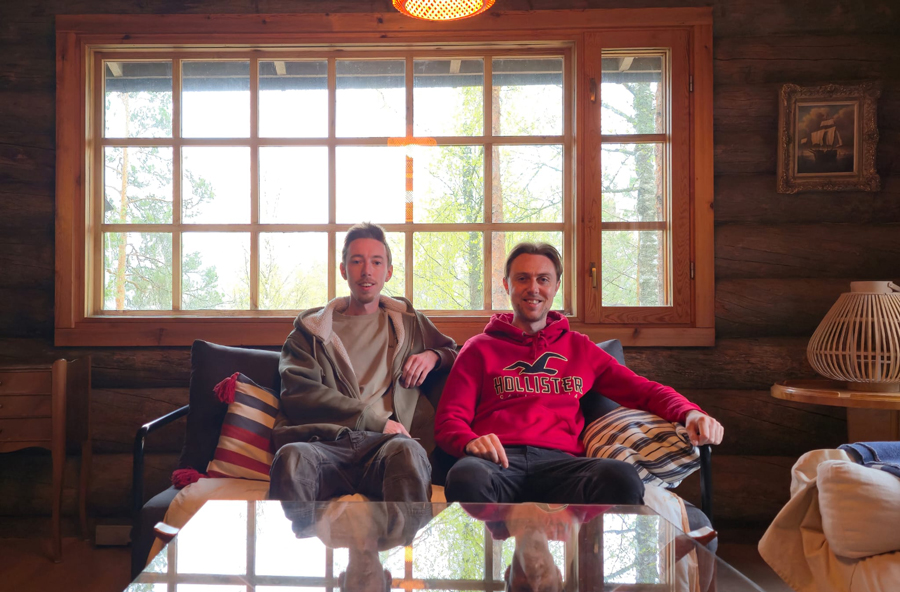
Jamie and Adam from the IFS team travelled to Finland for a short break, visiting Röölä, Naantali, Turku, Vanha Rauma, and plenty of places in between. Over the course of the trip, they drove more than 1000 miles, which was their first time driving abroad, truly taking in Finland’s peaceful roads (which they couldn’t believe were so empty), scenic landscapes, and quiet countryside.
For Jamie, the trip was especially memorable as it was his first ever holiday abroad. For Adam, it was a completely new destination to add to his growing list of countries visited. Finland proved to be the perfect introduction to the Nordic Region for both of them – calm, welcoming, and completely different from everyday life back home.
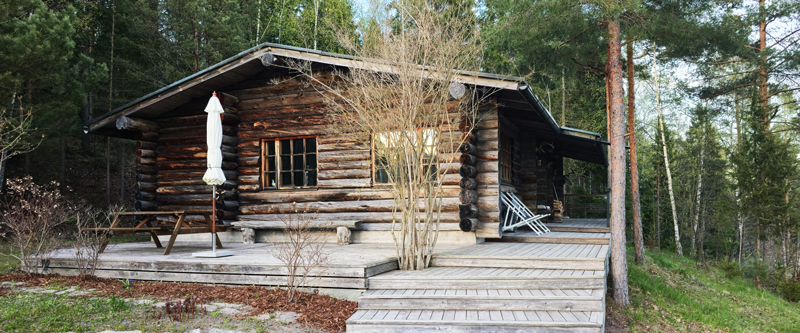



During the trip, Jamie and Adam stayed in a lodge surrounded by a dense forest with a front row view of a big lake which gave them the best experience of true peace and quiet, away from the usual pace of work and daily routines. They also had the chance to enjoy some authentic Finnish experiences, including a traditional Finnish sauna, local beer, Viking beer, and even tar ice cream – which turned out to be a lot nicer than it sounds!
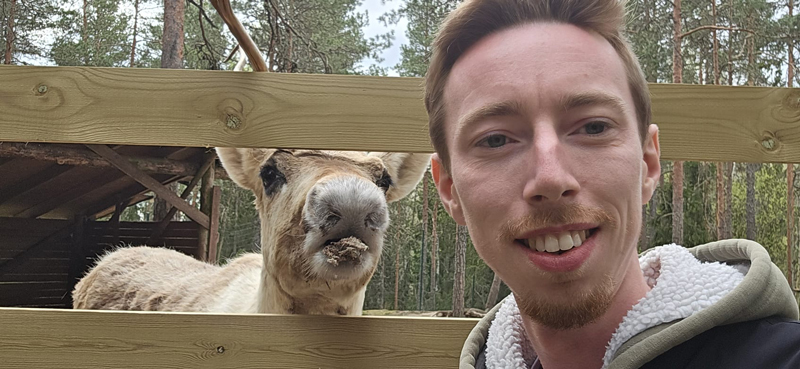
One of the more unusual highlights was seeing, feeding, and trying reindeer all in the same day – Something they never expected to do and definitely a first-time experience that won’t be forgotten quickly.
The trip was a great opportunity to explore a new country and experience a different culture. It also served as a reminder that the destinations we deal with every day in freight forwarding are more than just locations on a map. Every country has its own people, traditions, landscapes, and experiences behind it.
For the IFS team, Finland was a memorable adventure filled with new experiences, plenty of miles on the road, and a real appreciation for the calm beauty of the country. A fantastic trip, a first holiday abroad, and another reminder of how connected the world really is.
Jamie and Adam are already planning their next trip abroad – where will they go next?
Always here to help
If you need assistance with any shipment, no matter how large or small, we at IFS are always ready to advise on a freight solution. Simply call our friendly and helpful team on: +44 (0) 1709 610 000, or send a message >














 Sales and Marketing Manager, Neil Braddish
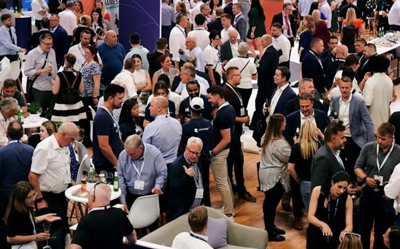 The UK logistics supply chain will converge like never before across two leading Midland venues – the NEC Birmingham and NAEC Stoneleigh to create UK Logistics Week — the UK’s annual destination for logistics innovation, collaboration and opportunity.
 The Chartered Institute of Procurement and Supply recently warned that rising transport, energy and raw material costs could drive consumer goods prices higher in 2026. With the Strait of Hormuz disrupted and fuel prices volatile, it would be easy to assume global factors are reshaping UK road freight.
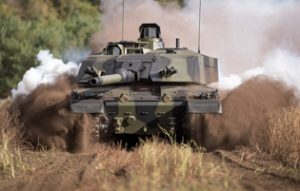 Torus will provide resilient, agile and integrated defence supply chain solutions, helping the UK defence sector adapt to the evolving threat landscape and build the agile capacity required to enhance sovereign capability.