
K+N supports the construction of one of Europe’s biggest biofuel facilities
IFS’s partner, Kuehne+Nagel, is to organise the heavy-lift logistics and module transportation for the hydroprocessed esters and fatty acids (HEFA) biofuels project for Shell plc in the Netherlands.
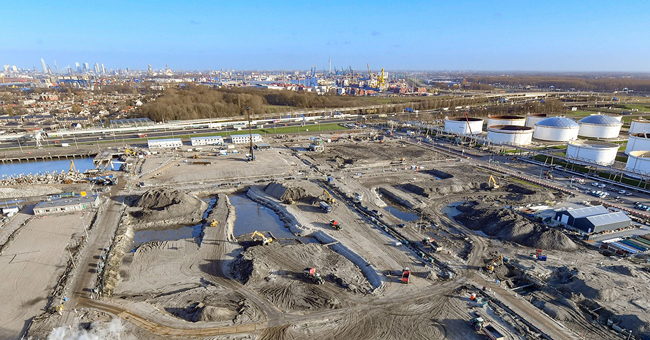 The project will be one of the largest commercial production facilities in Europe to produce sustainable aviation fuel (SAF) and renewable diesel made from waste.
The biofuels facility in Rotterdam is expected to start production in 2024. It will produce low-carbon fuels such as renewable diesel from waste in form of used cooking oil, waste animal fat and other industrial and agricultural residual products.
Shell’s HEFA biofuels project will be supported by Renewable Energy Logistics, the new solution by Kuehne+Nagel Project Logistics, tailored to the specific logistics needs of the renewable energy industry worldwide. It is designed to provide safe and proper transportation of all the components and machinery required to set up and maintain alternative energy projects. Read more from K&N article >












 Despite aggressive blanking that has reduced weekly capacity on the tradelanes by more than a third, the lines have failed to slow the precipitous fall in short-term rates and, are arguably fuelling the fire by offering sub-economic spot rates via their digital platforms.

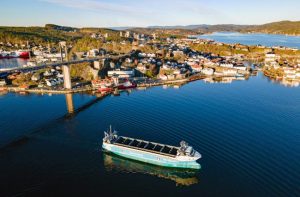 The UK has signed up to a ‘green corridors’ agreement alongside Norway, the Netherlands and the United States to bring about zero-emission shipping routes between these countries.
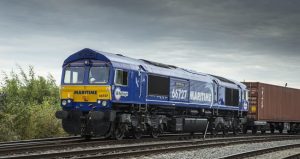 It’s the real thing… Coca-Cola Europacific Partners (CCEP), the largest independent bottler of Coca-Cola globally, is making the switch from road to rail to distribute its soft drinks between its manufacturing sites and third-party warehouse locations across London and Yorkshire.