

Landmark economic Trade Deal with US saves thousands of British jobs
Thousands of jobs have been saved as the Prime Minister secured a first-of-a-kind trade agreement with the US, says Prime Minister’s Office.
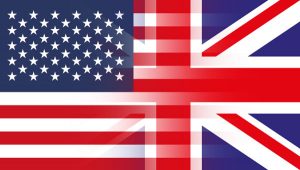 It is the second major trade announcement this week – following the India Free Trade Agreement on Tuesday, this historic agreement with the US to slash tariffs delivers for UK carmakers, steelworks and farmers – protecting jobs and providing stability for exporters.
Car export tariffs will reduce from 27.5% to 10% – saving hundreds of millions a year for Jaguar Land Rover alone. This will apply to a quota of 100,000 UK cars, almost the total the UK exported last year.
The Prime Minister visited Jaguar Land Rover last month announcing greater freedom for car manufacturers to back British industry in the face of global headwinds. During this visit he told workers he would accelerate trade deals to protect their jobs, their livelihoods, and to champion British business worldwide.
The UK steel industry – which was on the brink of collapse just weeks ago – will no longer face tariffs thanks to today’s deal. The Prime Minister negotiated the 25% tariff down to zero, meaning UK steelmakers can carry on exporting to the US. Read more from GOV.UK >








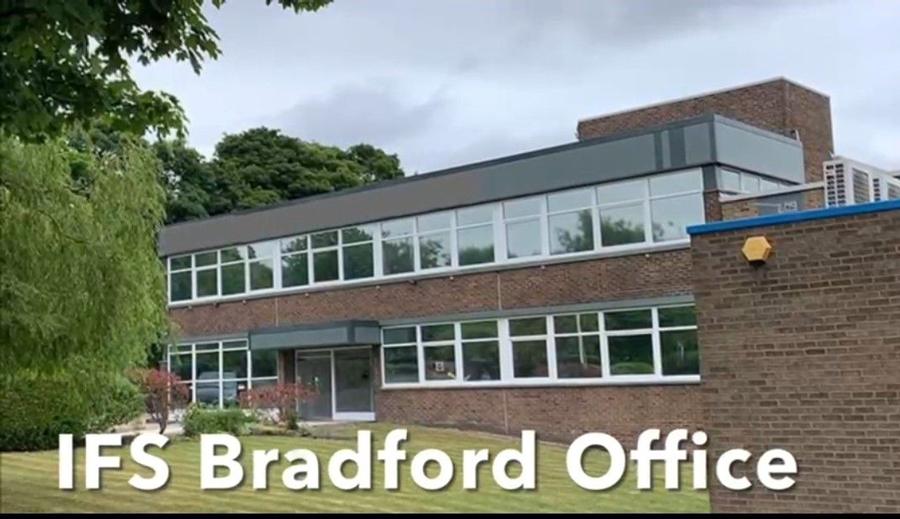
 International Sales Manager, Catherine Gibson has had a very successful year with International Freight Solutions Ltd.

 The new modules supplement the existing CDS Compliance course and encompass a variety of Customs regimes including Returns Goods Relief, Temporary Admission, and Inward Processing for imports; as well as Outward Processing, Export from a Customs Warehouse and Standard Export.
 Donald Trump may have stepped back from his huge tariff rises on every country, except China, which now faces at least 145%, but the impact of the market chaos is likely to continue in the UK and beyond. The rest of the world still faces a blanket 10% tariff on all US exports.
 A snap poll, by the British Chambers of Commerce award-winning Insights Unit, of more than 600 business has revealed the extent to which UK firms expect to be hit by US tariffs.