Port of Felixstowe receives its first two Autonomous Trucks (ATs)
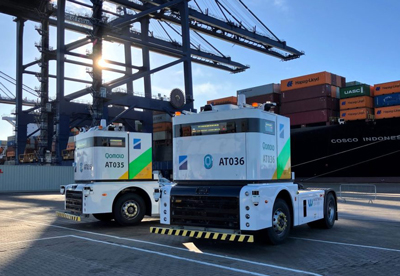
Hutchison Ports, Port of felixstowe has taken delivery of the first two units from an order for a further 34 autonomous trucks (ATs) from Shanghai Westwell Technology Co. Ltd. Thirty-four ATs, also supplied by Westwell, are already in operation at the port’s Trinity Terminal.
 Speaking at a function today (20 November 2025) at the port to celebrate the event, Clemence Cheng, Executive Director of Hutchison Ports and Port of Felixstowe CEO, said:
“We are delighted to receive the first trucks from our second order of ATs from Westwell. The new machines feature a step forward in LiDAR technology and marks the next phase of our journey using autonomous technology to support our experienced workforce.
“The improvements that have been incorporated in the new machines will now be retrofitted to our existing fleet to improve further the benefits they bring in terms of operational performance and efficiency. We look forward to continuing to work with Westwell to deliver on our shared vision of a smarter and greener future.”
Kenny Tan, Founder and Chairman of Westwell, said:
“Celebrating our 10th anniversary, Westwell is proud to empower the 150-year legacy of the Port of Felixstowe with its proprietary Ainergy technology—driving intelligent transformation across the global logistics ecosystem. Hutchison Ports is a valued global partner for Westwell, and we look forward to continuing our close collaboration in the years ahead, driving meaningful progress in sustainable port development.”
The ATs at the Port of Felixstowe were the first of their kind in Europe to be operated in a mixed-traffic environment. Powered by advanced sensor fusion architecture—including a 360-degree industrial-grade binocular camera and 128-line LiDAR, each truck features interactive light signals and audiovisual alerts to communicate driving intentions clearly to human drivers, significantly reducing collision risks. Read more from Port of Felixstowe >
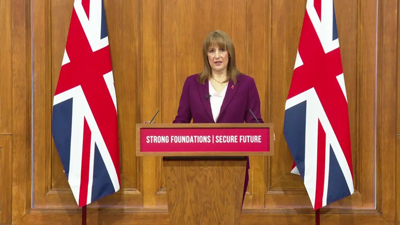 In an unusual pre-Budget speech in Downing Street, Reeves did not rule out a U-turn on Labour’s general election manifesto pledge not to hike income tax, VAT or National Insurance.
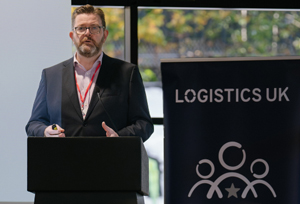 Launched Tuesday 21 October at Logistics UK’s Digital Transformation in Logistics conference in Birmingham, the roadmap challenges innovators to develop creative and technological solutions to real world problems that will have material benefits for the logistics sector and wider UK economy.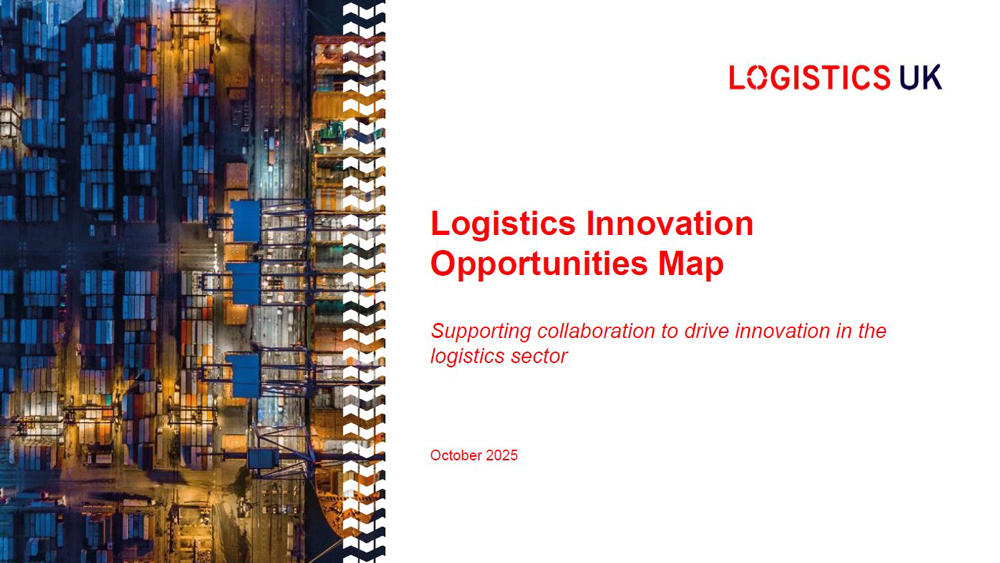
 The UK logistics supply chain will converge like never before across two leading Midland venues – the NEC Birmingham and NAEC Stoneleigh to create UK Logistics Week — the UK’s annual destination for logistics innovation, collaboration and opportunity.
 As Freight Forwarders we have carved out a niche in terms of project managing unusual consignments for transportation to all parts of the globe.
  Whether you require an Express or Economy service, we have developed an efficient booking system and we work with trusted partners with networks all over the world.