

International Freight Solutions Ltd is a member of BIFA
 BIFA – The leading body representing the UK International Freight Services industry.
The British International Freight Association (BIFA) is the prime trade association for UK registered companies engaged in the international movement of freight by all modes of transport, air, road, rail and sea, and/or customs brokerage.
BIFA has a membership of over 1600 members in the logistics and supply chain sector, known generally as freight forwarders, who offer a wide range of services within these various modes.

 Members of BIFA are organisations engaged in the movement of freight to/from the UK by all modes of transport: air, road, sea and rail. Some members also provide customs clearance and other cross border services.
A not-for-profit organisation, BIFA is funded by subscription and run by its members for members. It operates with a full-time Secretariat which administers and manages the Association’s affairs.
BIFA members trade under a set of Standard Trading Conditions that are backed in the insurance sector. Find out more about BIFA >
You can trust International Freight Solutions Ltd to take care of your International Deliveries!


















 Shipping lines have confirmed a significant number of cancelled voyages for the remainder of February into March, anticipating a pronounced seasonal slowdown.
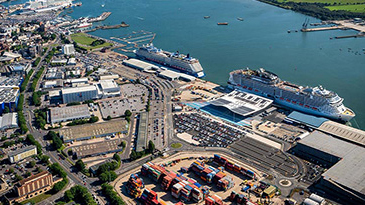 The Canada Pension Plan Investment Board (CPPIB) and Ontario Municipal Employees Retirement System (OMERS) , which own 34 per cent and 33 per cent of ABP, respectively, have appointed bankers at investment bank Morgan Stanley to explore a sale of their stakes.
 IFS – providing International Freight Solutions for UK & Worldwide supply chains.
 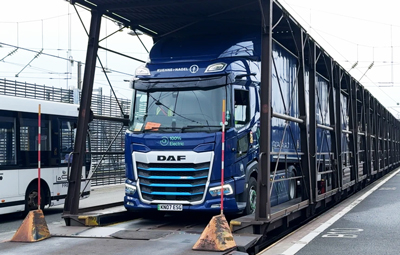 In a joint effort to advance low-carbon logistics, Kuehne+Nagel, LeShuttle Freight, Voltempo, and DAF Trucks have successfully sent the first electric heavy-goods vehicle (eHGV) through the Channel Tunnel.